
French West Indies
Martinique
My island — the island where WÉ was born
White-sand beaches, rainforest, Creole culture and yoles rondes: welcome to the island of flowers.
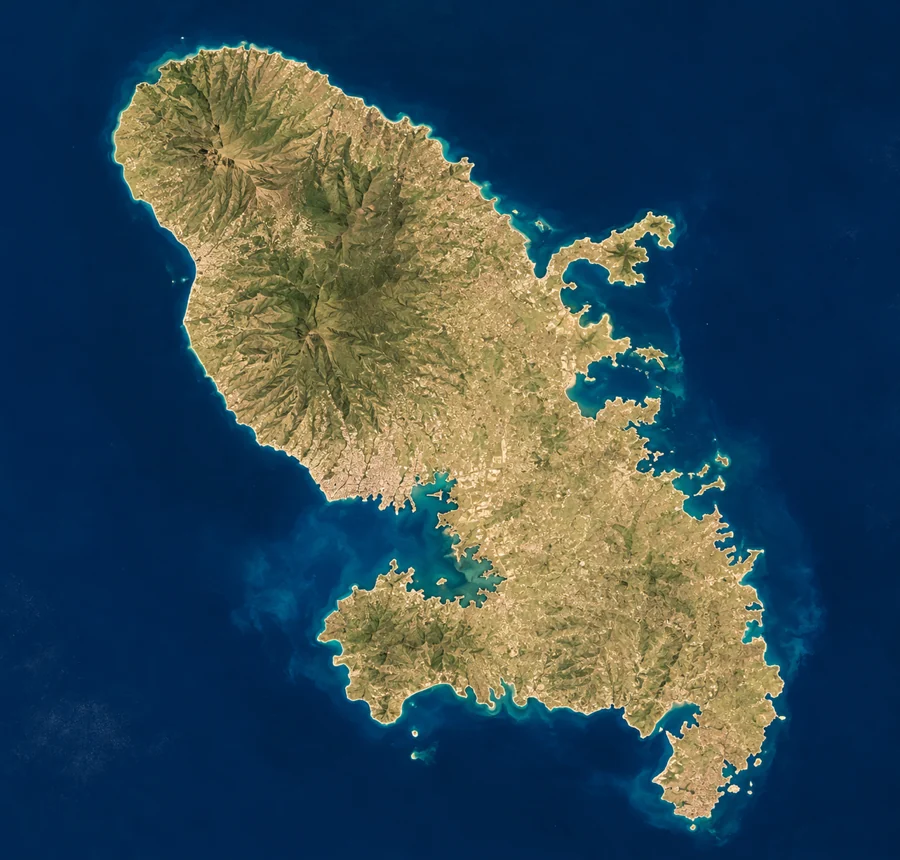 Montagne PeléeSaint-PierreCaravelleFort-de-FranceLe FrançoisLes Trois-ÎletsLes Anses-d’ArletLe DiamantSainte-Anne
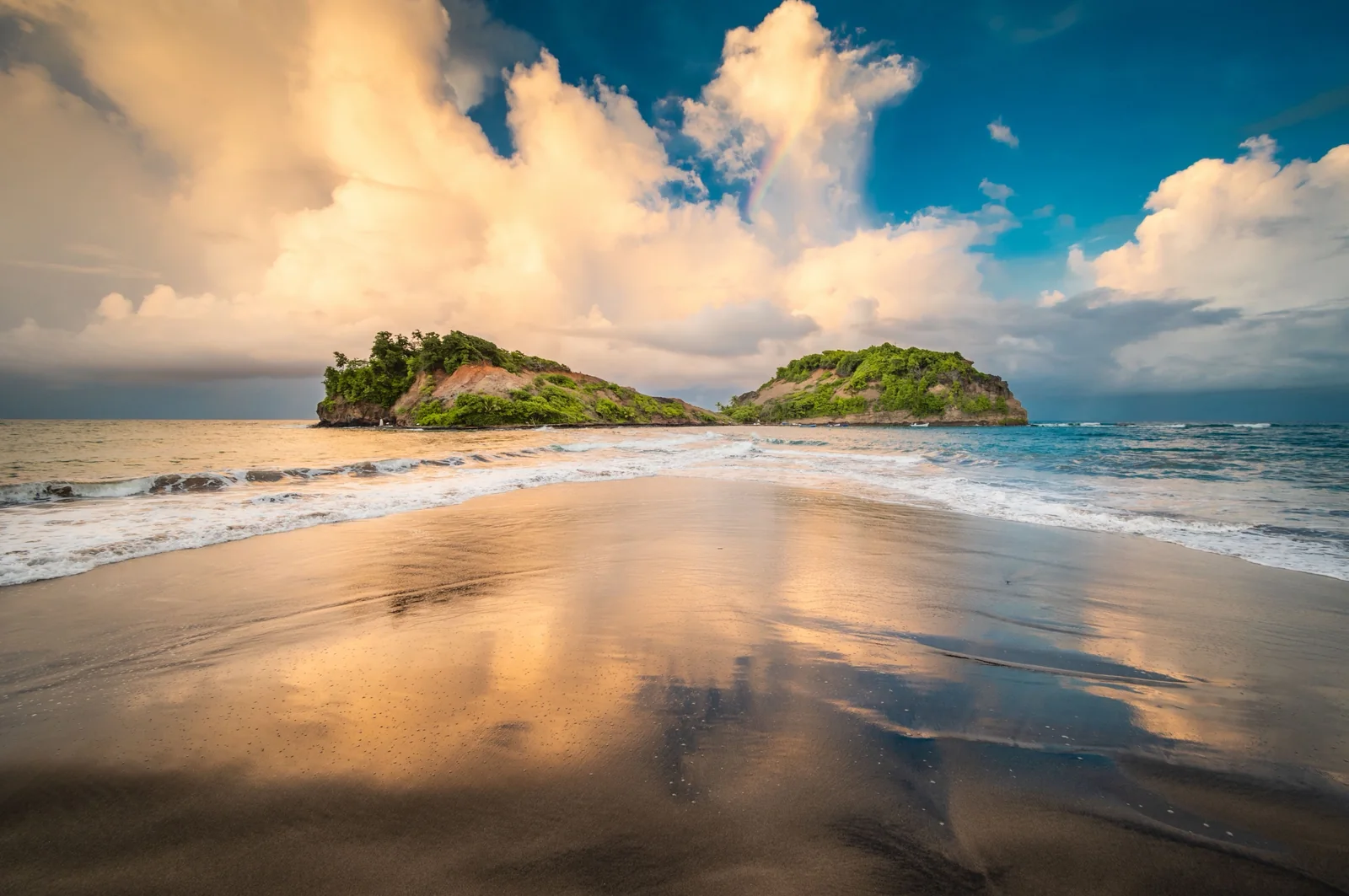
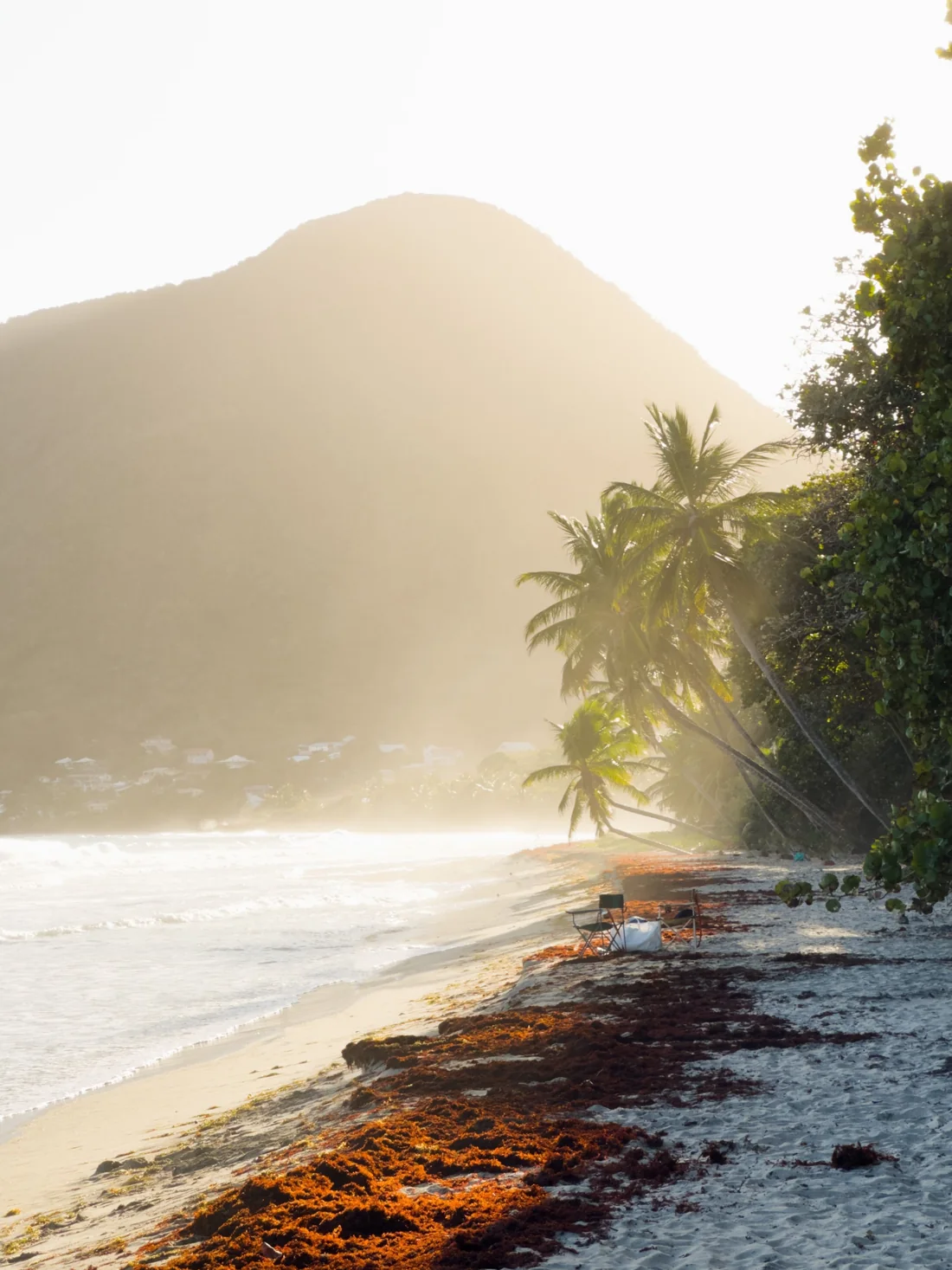
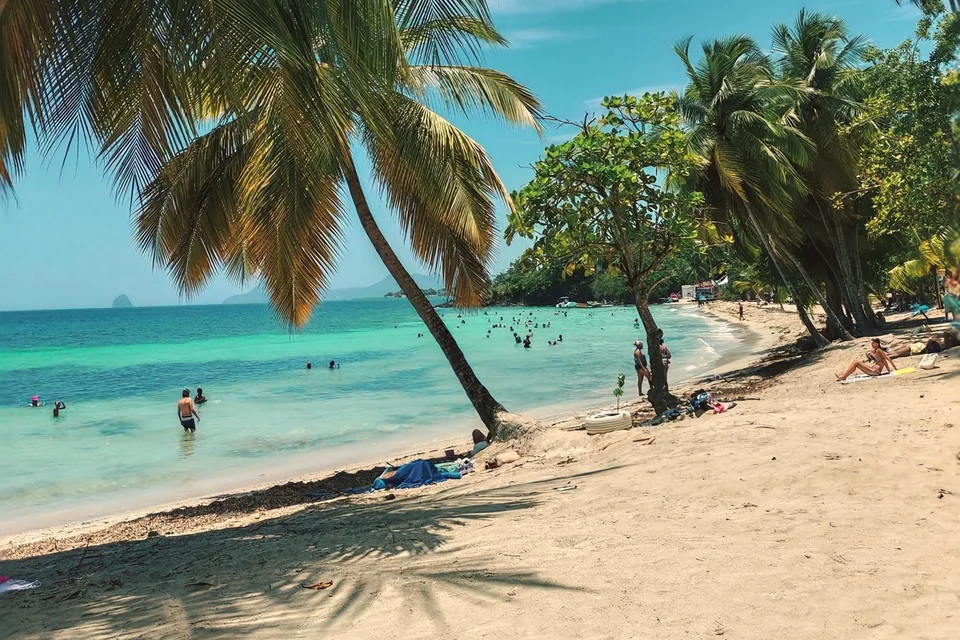
The island of flowers can be enjoyed beach-side, nature-side or Creole-village-side: the right area depends on what you're looking for.
In the south, white-sand beaches and colourful villages. In the north, Mount Pelée, the rainforest and black-sand beaches. On the Atlantic side, islets and sheltered lagoons. In a single day's drive, the scenery changes completely.
Welcome to our homeHere, people say hello on the road, share a coconut sorbet on the beach and take their time. Martinique is the island where WÉ was born, so we put our whole heart into this notebook, so you can experience it like someone from here.
Best weatherDuring the dry season: sunshine, trade winds and calm sea. And Carnival gets the whole island dancing.
“Here, you don’t just visit an island: you live it, from the beach to the hills, from the yole to the market.”
The WÉ notebook
WÉ's tip
Rent a car: it's the best way to hop from one beach to another and discover the island at your own pace, from the sunny south to the tropical north.
A question?
Wéa answers about this destination: neighbourhoods, seasons, ideas.
When to go
Every season has its charm. Here's how to choose yours, depending on what you want to experience.
The dry season
The dry season: sunshine, trade winds and a calm sea. Carnival gets the island buzzing in February or March.
Tour des Yoles
It's sunny and the island is in party mode: one of the liveliest times of the year. In late July, the Tour des yoles rondes sails around the island.
The rainy season
Locally called “l'hivernage” (nothing to do with winter): nature is at its greenest, the sea at 29 °C and the island peaceful. The hurricane risk is mainly from August to October: go for a flexible booking.
Where to stay
Beach, nature or Creole village: the right spot depends on what you're after. Here are our six favourite places to stay.
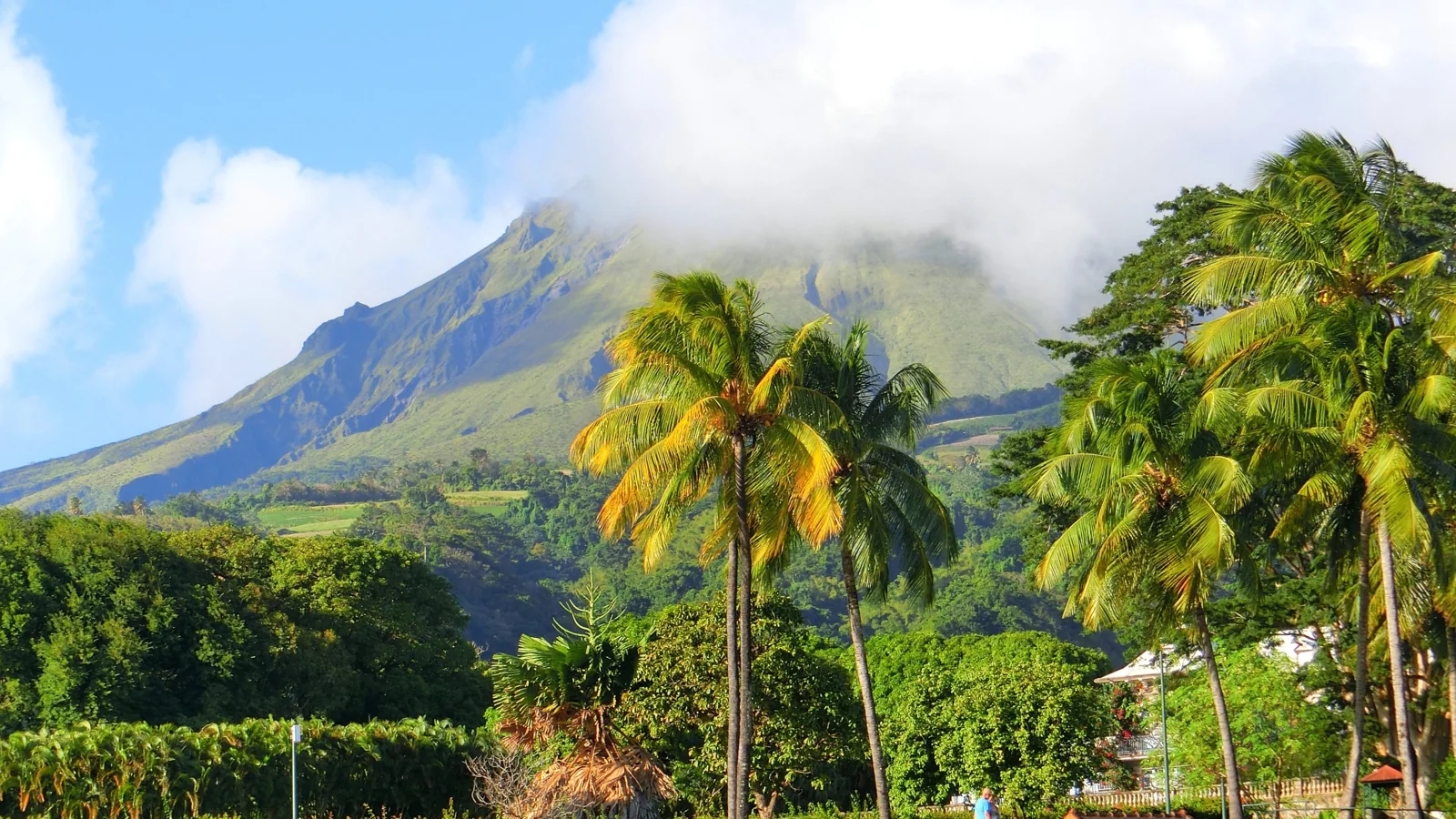
Le Nord caraïbe
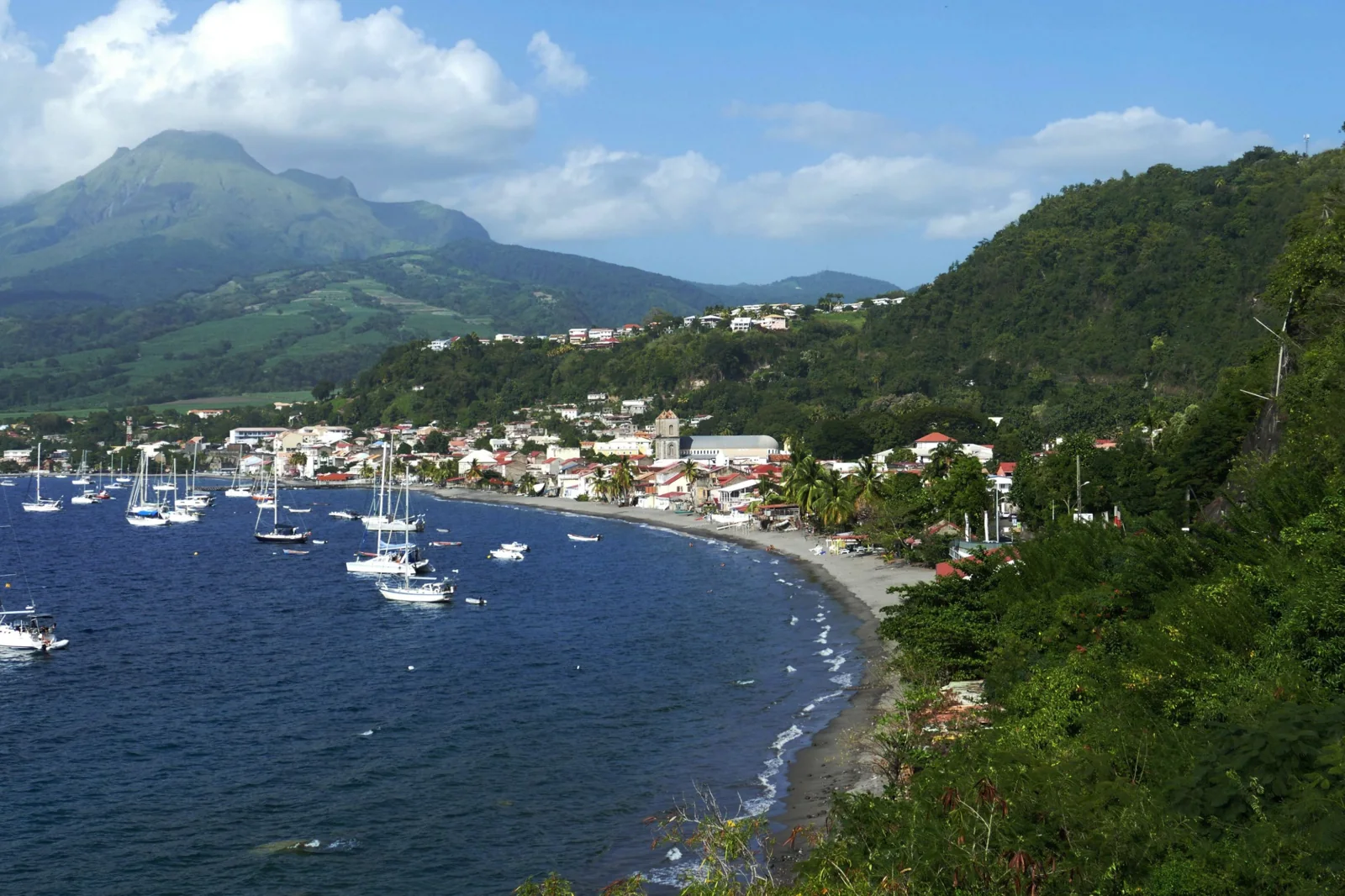
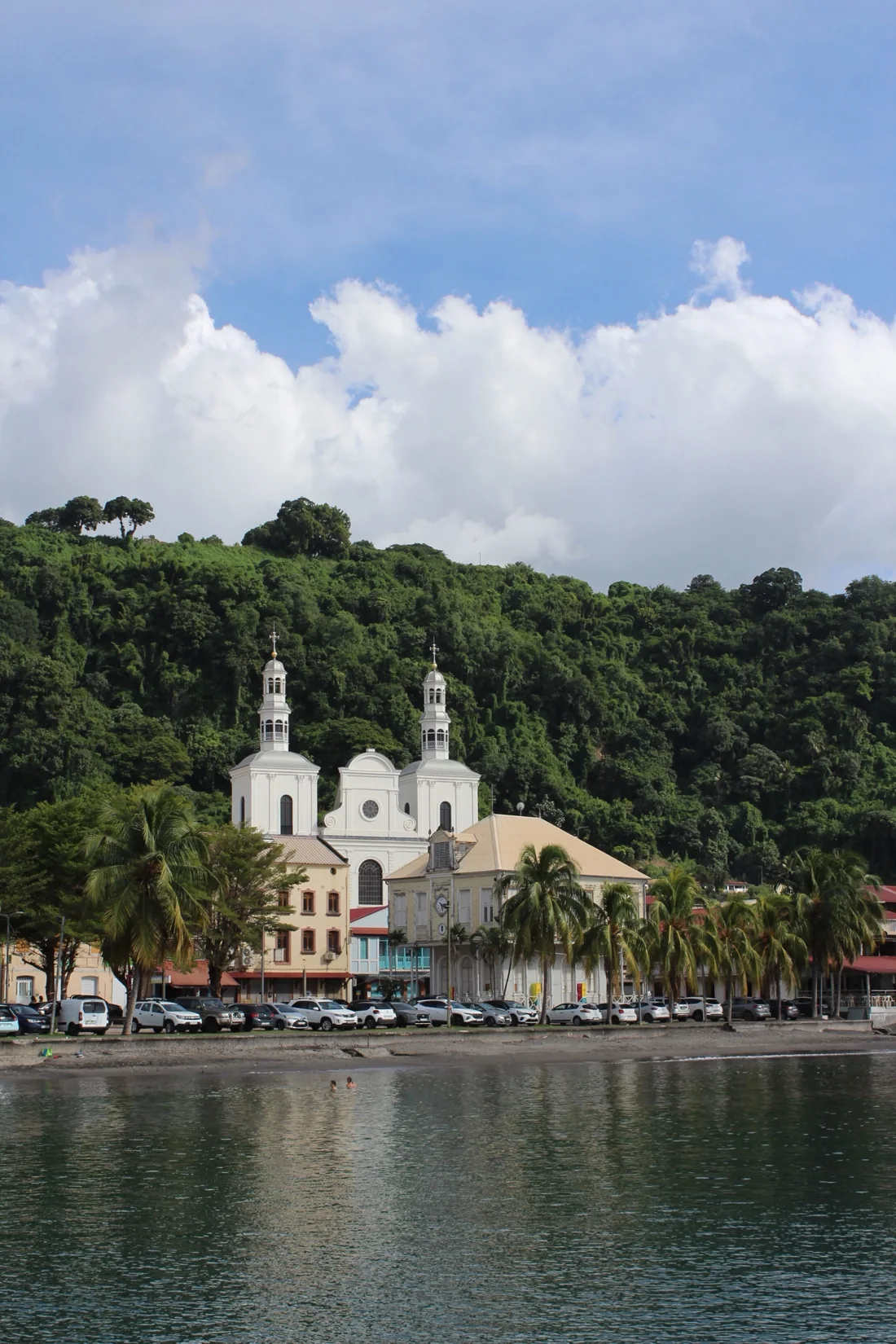
Saint-Pierre and Le Carbet: black-sand beaches, Mount Pelée and rainforest. Martinique's nature side.
Ideal for hiking and nature
Les Trois-Îlets
Pointe du Bout and Anse Mitan: hotels right on the water, marina, restaurants and golf. And the sea shuttle takes you to Fort-de-France across the bay.
Ideal for a first visit
Sainte-Anne
A colourful village in the far south, near Les Salines, one of the island's most beautiful beaches. A real postcard.
Ideal for families and beach lovers
Le Diamant
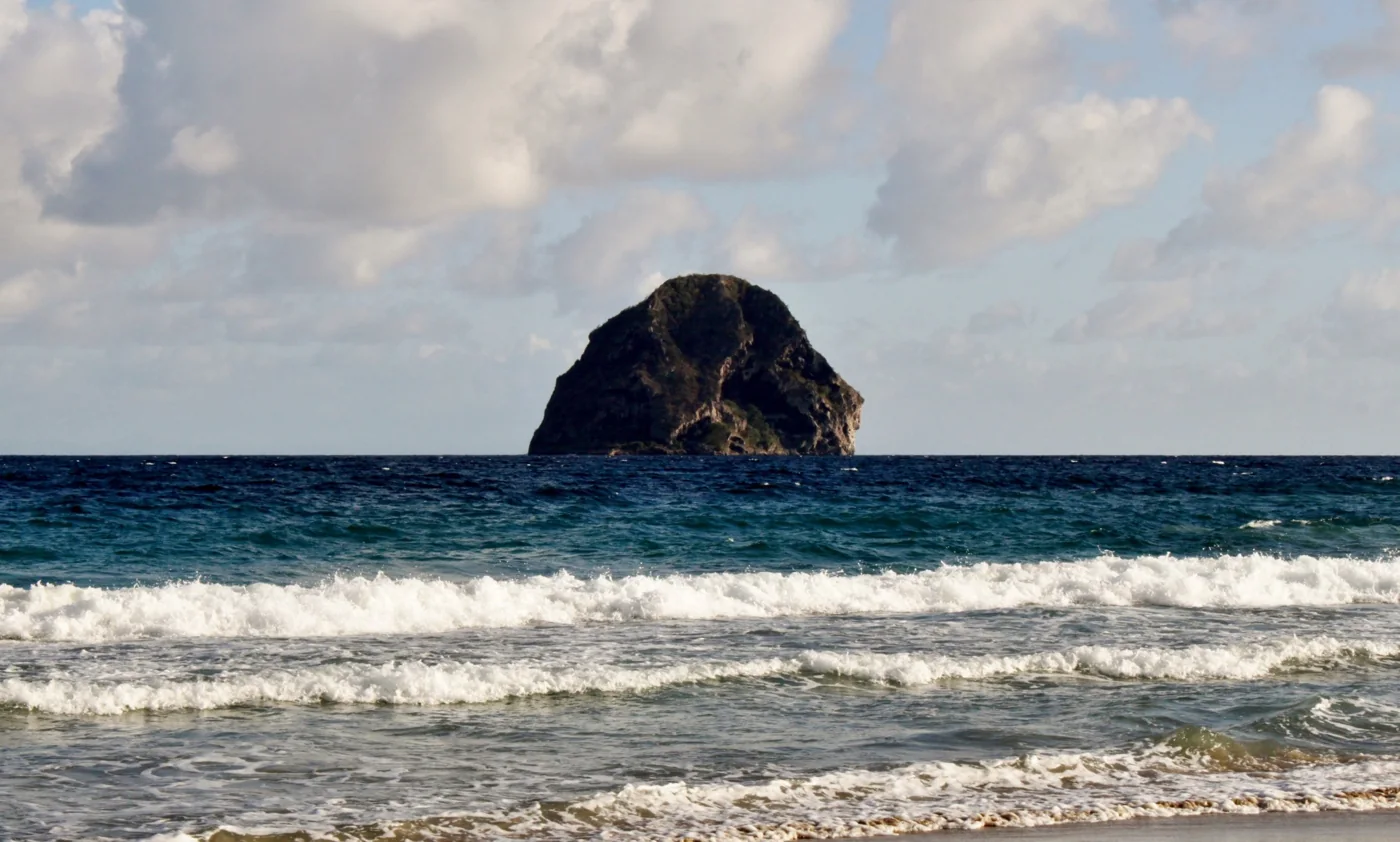
Facing the famous Diamond Rock: a long wild beach and spectacular sunsets.
Ideal for sunsets and peace and quiet
Les Anses-d'Arlet
A little church by the water and Grande Anse bay, where you swim with turtles: the easiest snorkelling on the island.
Ideal for snorkelling and authentic charm
Le François et Le Robert
On the Atlantic coast: islets, white sandbanks and boat trips to the Baignoire de Joséphine.
Ideal for boat trips and villas
Things to experience in Martinique
What makes the island's heart beat: its festivals, its history, its landscapes and its food. Take your time, it's all there to enjoy.
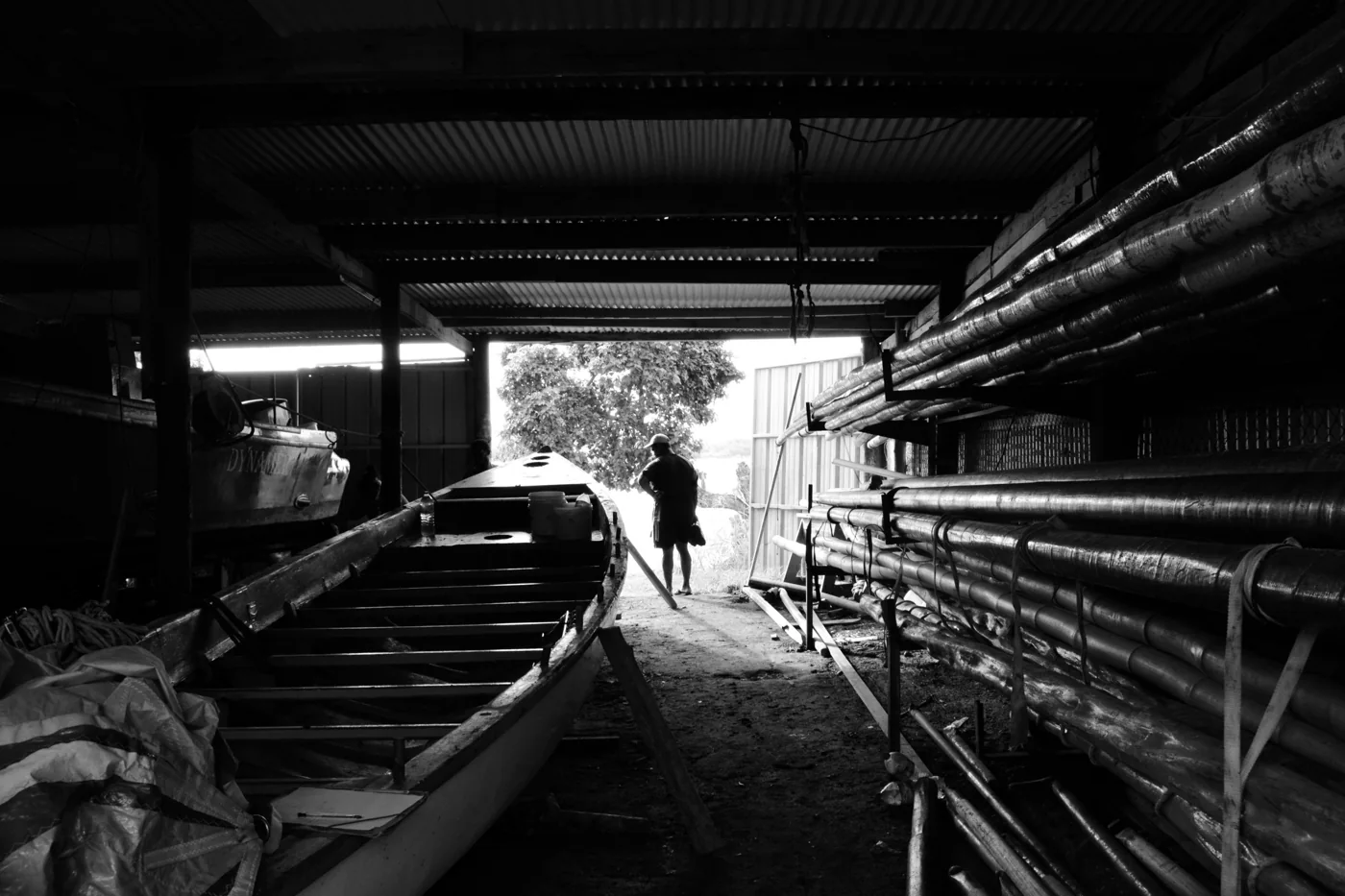
The yole ronde
A traditional boat about ten metres long, with no keel or rudder: the crew keeps it balanced by leaning out over the water on long wooden poles, the “bwa dressé”. This know-how, from building to sailing, has been on UNESCO's Intangible Cultural Heritage list since 2020.
Every summer, in late July and early August, the Tour des yoles rondes circles the island in a week of stages: a huge popular celebration, to follow from the beaches or by boat.
Ideal for joining a big Martinican celebration
Plantation houses and the story of sugarcane
Sugarcane shaped Martinique's history. Its plantation houses, mills and distilleries are now part of its heritage, and in 1996 the island obtained France's only protected designation of origin (AOC) for its rhum agricole, made from pure sugarcane juice.
To discover this heritage, visit the Saint-James Rum Museum in Sainte-Marie, the gardens and manor house of Habitation Clément in Le François, or Habitation Saint-Étienne in Gros-Morne. From around February to June, during the harvest, you'll see the cane fields and mills in full swing.
Alcohol abuse is dangerous for your health. Please drink responsibly.
Ideal for discovering the island's history and know-how
The South and its dream beaches
Start with Grande Anse des Salines in Sainte-Anne, with its white sand and coconut palms leaning over the water. Then head to Le Diamant for sunset facing the rock, and stop at Les Anses-d'Arlet to swim with turtles.
In Les Trois-Îlets, the Savane des Esclaves tells the island's story in a very moving way, and the Village de la Poterie is perfect for wandering among craftspeople and cafés.
Ideal for beach days and first discoveries
“Here, time has another flavour: that of a sunset over Diamond Rock.”
The North
Since 2023, Mount Pelée and the northern pitons have been a UNESCO World Heritage Site. And the whole island has been a UNESCO biosphere reserve since 2021!
Take the Route de la Trace through the rainforest, stop at the Jardin de Balata, then swim in the Gorges de la Falaise in Ajoupa-Bouillon. Finish in Saint-Pierre, the former capital destroyed by the 1902 eruption, and at Anse Couleuvre, a black-sand beach at the end of the road.
Ideal for hiking, nature and stunning landscapes
The Atlantic coast
On the Atlantic side, the island shows another face: waves, wind and sheltered lagoons. On the Caravelle peninsula, a nature reserve, you walk up to the lighthouse and the ruins of Château Dubuc.
In Le François and Le Robert, take a boat trip to the islets and the fonds blancs: you swim in the middle of the sea, in waist-deep water.
Ideal for boat trips and nature walks
Fort-de-France, the capital
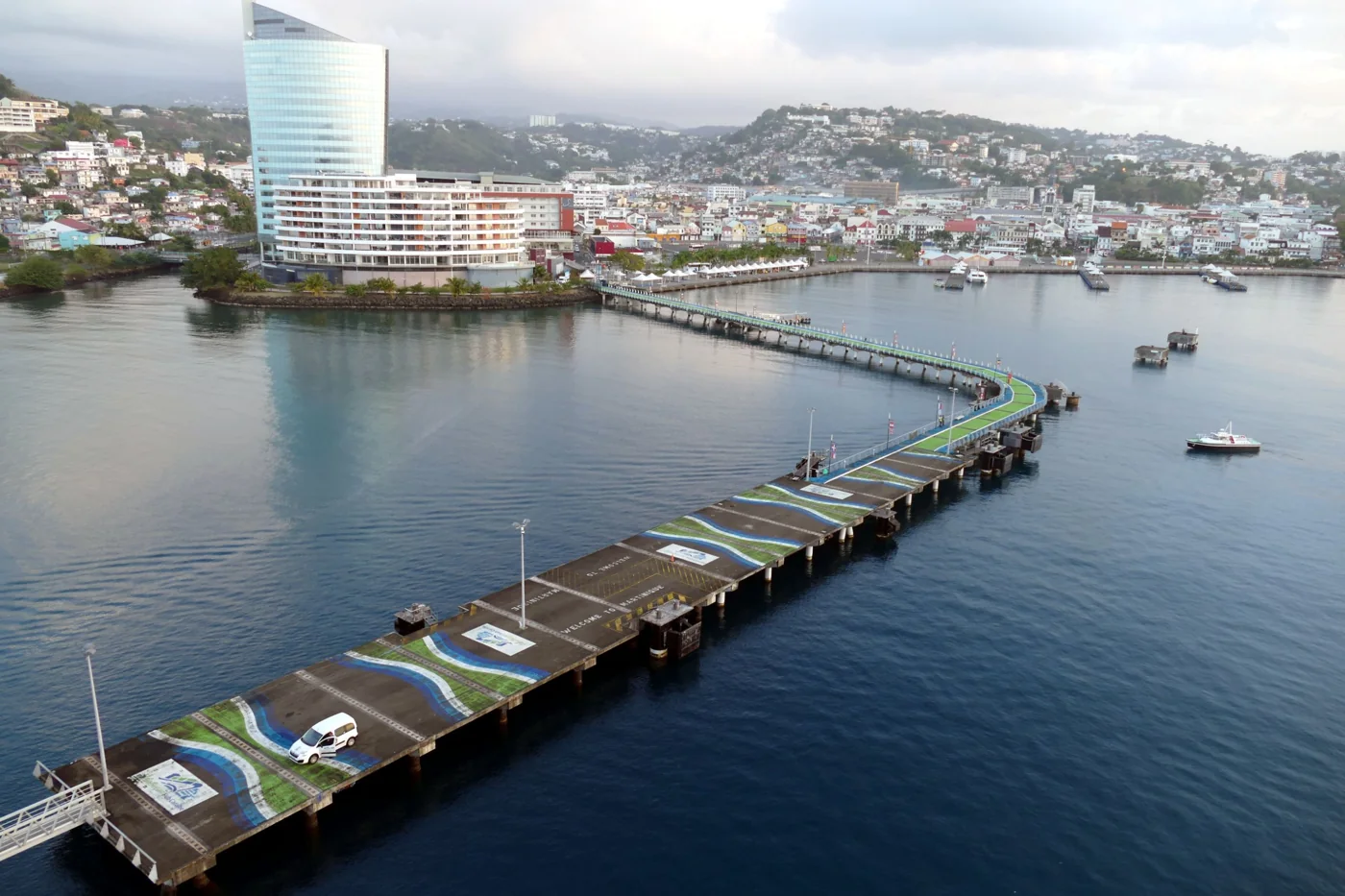
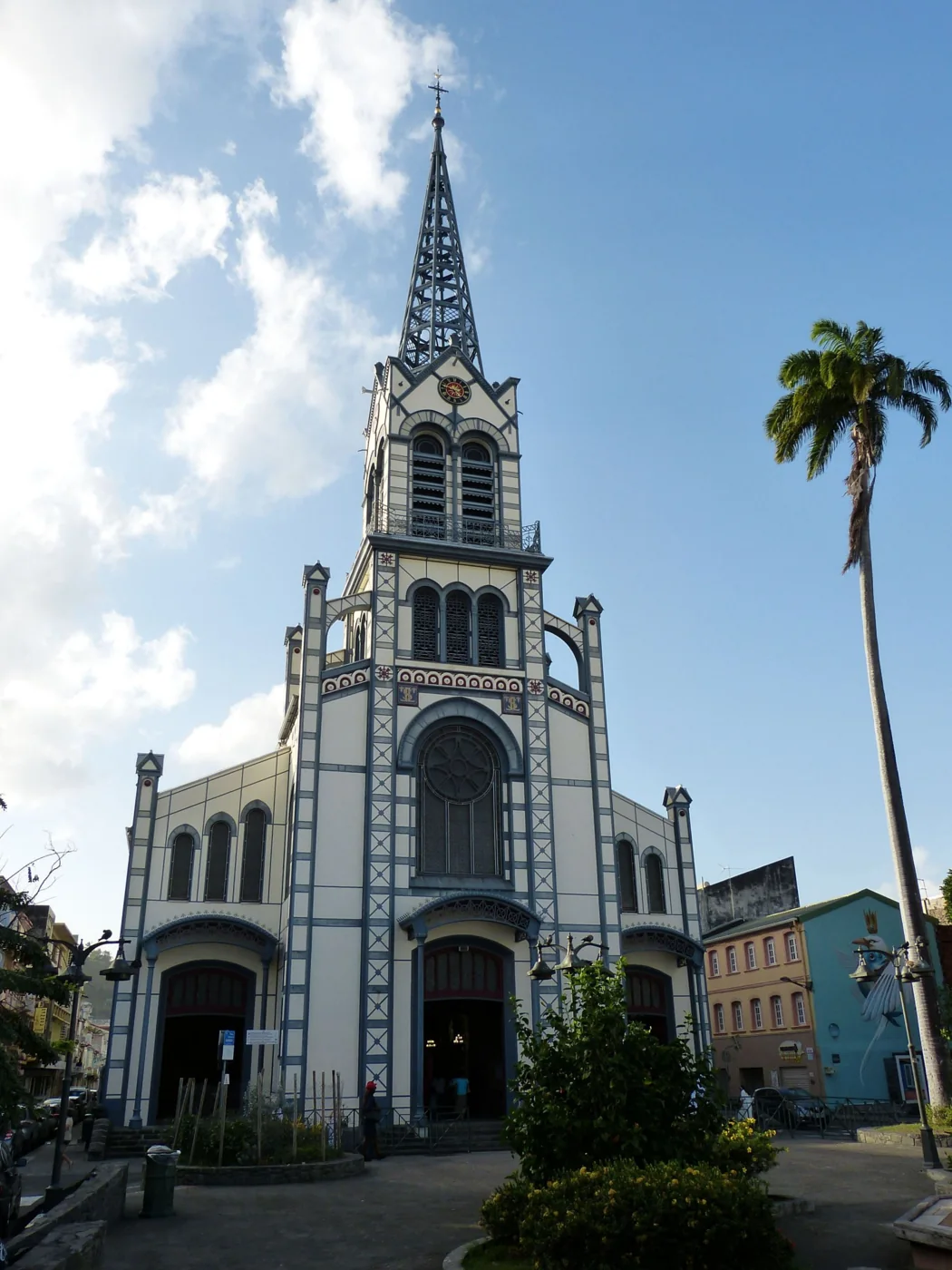
Wander through the covered market among spices, fruit and madras fabric, admire the Schœlcher Library, built for the 1889 Paris World's Fair and then rebuilt here piece by piece, and enjoy La Savane park facing the bay.
And to skip the traffic, take the sea shuttle from Les Trois-Îlets: crossing the bay is worth it.
Ideal for a day in town, between culture and markets
Must-try food
Cod accras as a starter, chicken colombo, fish blaff, féroce d'avocat, chatrou (small octopus) and dombrés… Creole cooking is all about flavour and sharing.
For dessert, look for a coconut sorbet churned by hand, and try the fruit at the market: passion fruit, June plum, Julie mango or soursop as a fresh juice.
Ideal for foodies and market lovers
Culture and celebration
Carnival is the soul of the island: four days of colourful parades, until Ash Wednesday, when Vaval, the Carnival king, is burned.
Let yourself be carried away by a bèlè evening, dancing to the drum, and by the Creole you hear everywhere. It's also the island of Aimé Césaire, the great poet of Négritude.
Ideal for living Martinique from the inside
Coming soon to WÉ
Hotel offers are coming soon
Our partners are coming to WÉ very soon. You'll soon be able to discover hotels in each of these neighbourhoods here and book in a few clicks.
Discover more destinationsPhoto credits The yole: Noe Garde / Pexels · The church by the water: Eli Fransen / Pexels · The beach with coconut palms: MIVENOVA / Pexels · The backlit beach: Roman / Pexels